Come guidare in Albania: regole, strade e abitudini locali
Limiti di velocità di 40, 80, 90 e 110 km/h, galateo delle rotonde poco rigido, bestiame sulle strade rurali e ottime arterie principali: un briefing pratico sulla cultura di guida albanese, carburante, parcheggi e posti di controllo per chi visita l'Albania per la prima volta.

Guidare in Albania ha una certa reputazione, e gran parte di essa è ormai superata. La rete stradale è migliorata enormemente nell'ultimo decennio: i principali assi tra Tirana, Durazzo, Valona, Shkodra e il sud sono asfalto moderno, le app di navigazione funzionano bene, e le stazioni di servizio sono ovunque. Quello che resta vero è che la cultura di guida albanese è più improvvisata di quanto la maggior parte dei visitatori sia abituata, e le strade rurali nascondono ancora sorprese. Questa guida copre le regole, le abitudini, le condizioni stradali e i dettagli pratici, così che il tuo primo giorno al volante sembri già il quinto. È lo stesso briefing che MOMO Rent a Car dà ai clienti alla consegna, qui in forma scritta.
Le basi: lato di guida, patenti e documenti
In Albania si guida sul lato destro della strada e si sorpassa a sinistra, come nel resto dell'Europa continentale. Le cinture di sicurezza sono obbligatorie per ogni occupante, i bambini sotto i 12 anni non possono sedere sul sedile anteriore, ed è illegale usare il telefono in mano durante la guida; usa un supporto o il Bluetooth dell'auto.
Tieni sempre questi documenti in auto, perché i posti di controllo della polizia sono una parte normale della vita stradale albanese e gli agenti li richiedono di routine:
- La tua patente di guida. Le patenti UE, del Regno Unito e degli Stati Uniti sono accettate direttamente; le patenti in alfabeti non latini necessitano di una Patente Internazionale di Guida abbinata.
- Il passaporto o la carta d'identità, o come minimo una foto di esso.
- Il libretto di circolazione e i documenti assicurativi, che si trovano nel cassetto portaoggetti di ogni veicolo MOMO Rent a Car.
- Il contratto di noleggio firmato al ritiro.
Il limite legale di alcol nel sangue è basso, allo 0,05 percento, e i controlli si sono inaspriti negli ultimi anni. L'unica politica sensata su strade di vacanza che non conosci è ancora più semplice: se guidi, non bere affatto.
I limiti di velocità in Albania
I limiti di velocità albanesi seguono un chiaro sistema a quattro livelli. Salvo diversa indicazione dei cartelli, questi sono i valori predefiniti:
| Tipo di strada | Limite | Esempio tipico |
|---|---|---|
| Centri abitati | 40 km/h | Città, villaggi, strade urbane |
| Strade fuori dai centri abitati | 80 km/h | Strade extraurbane ordinarie come la strada costiera SH8 |
| Superstrade | 90 km/h | Tratti a doppia carreggiata come parti della SH2 Tirana-Durazzo |
| Autostrade | 110 km/h | La A1 verso il Kosovo |
Due cose sorprendono i visitatori. Primo, il limite urbano di 40 km/h è più basso dei 50 km/h comuni nel resto d'Europa, ed è fatto rispettare sia con autovelox fissi sia con radar mobili, specialmente in prossimità di Tirana e Durazzo. Secondo, i limiti cambiano spesso sulla stessa strada; un tratto rurale segnalato a 80 scende a 40 non appena si supera il cartello di ingresso di un villaggio, e sulle strade più vecchie i villaggi si susseguono fitti. Osserva i cartelli invece di dare per scontato il limite.
Le multe per eccesso di velocità partono da circa 1.000-2.000 lek per infrazioni minori e salgono rapidamente, con le infrazioni gravi che arrivano a centinaia di euro e la possibile confisca della patente. Le multe emesse su un'auto a noleggio vengono trasferite all'intestatario del contratto, quindi arrivano con un passaggio amministrativo in più; guidare con calma conviene sotto ogni aspetto.
Come guidano davvero gli albanesi
Le regole descrivono la strada; la cultura descrive il traffico. Una sintesi onesta della cultura di guida albanese per chi arriva per la prima volta:
- I sorpassi sono azzardati. Aspettati di essere sorpassato in curva, in salita e occasionalmente a destra. Non imitare questo comportamento; lascia passare il traffico più veloce e tieni la destra.
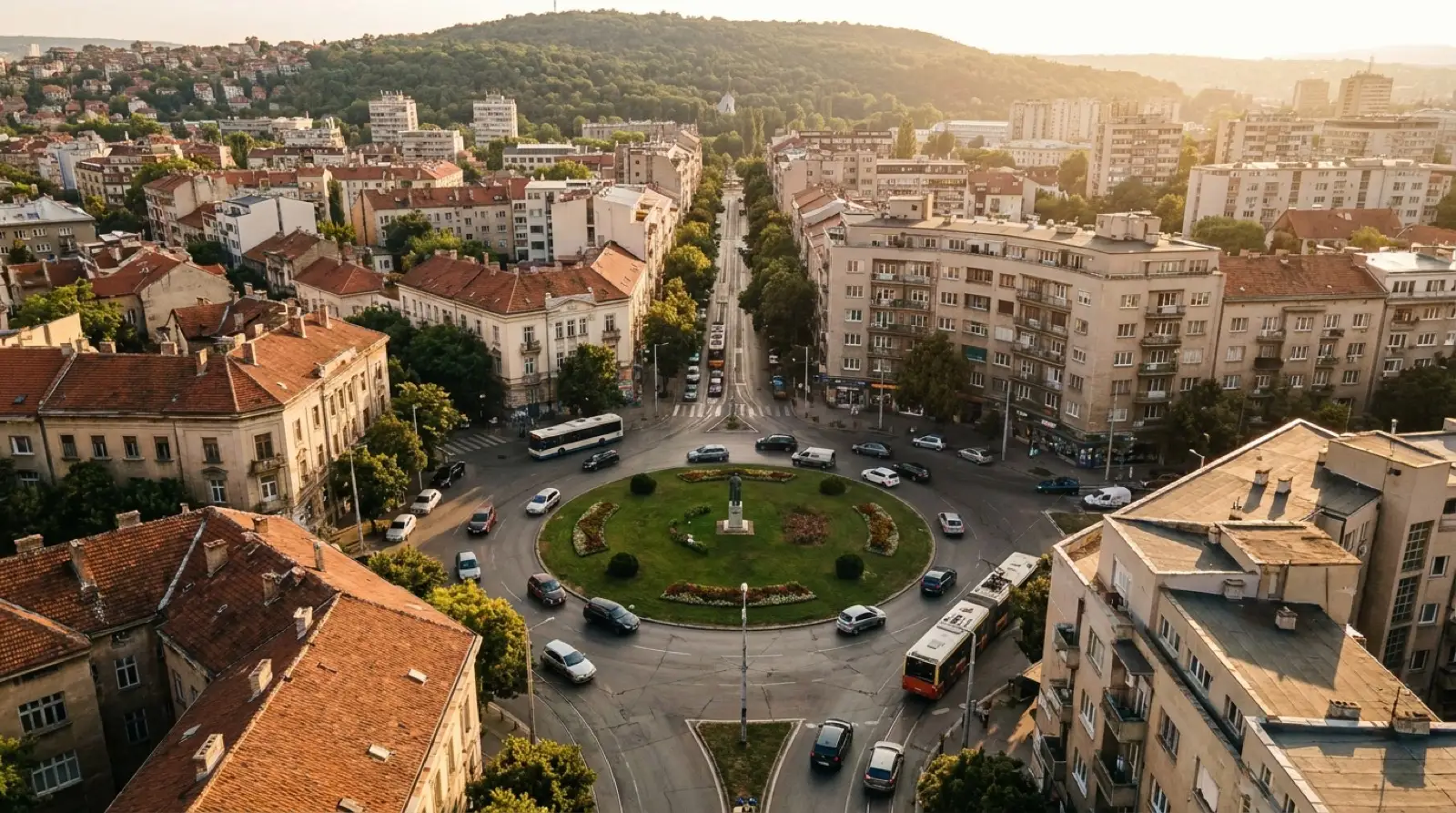
- Le rotonde sono trattative. La precedenza spetta formalmente al traffico già in rotonda, ma affronta ogni rotonda, specialmente a Tirana, dando per scontato che qualcuno entrerà comunque. Cerca il contatto visivo, procedi piano, sii prevedibile.
- Il clacson è comunicazione, non aggressività. Un breve colpo di clacson di solito significa "sono qui" prima di un sorpasso o di una curva cieca.
- I pedoni attraversano ovunque. In città, considera ogni autobus parcheggiato e ogni via di mercato come un posto da cui qualcuno potrebbe uscire all'improvviso. Gli attraversamenti pedonali senza semaforo vengono rispettati in modo incostante, quindi come conducente dovresti fermarti, ma come pedone non dare mai per scontato che un'auto lo farà.
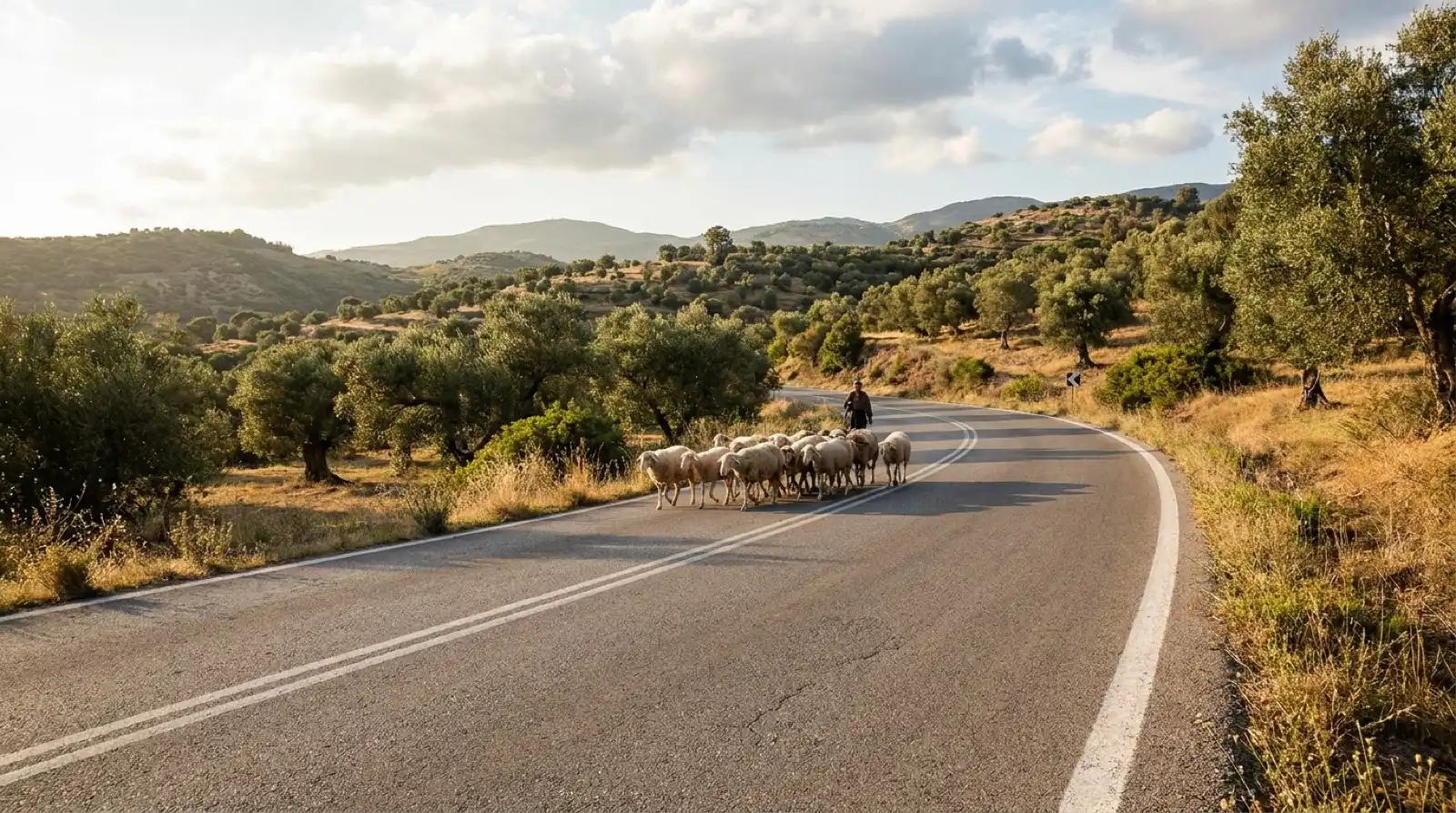
- Bestiame e agricoltura condividono le strade rurali. Pecore, capre, asini e trattori sono scene quotidiane sulle strade secondarie, in particolare al mattino e al tramonto. Questo è il motivo principale per evitare di guidare nell'Albania rurale di notte.
Niente di tutto questo rende l'Albania pericolosa per un conducente calmo. Richiede però una guida attenta, del tipo in cui lasci margini più ampi, affronti le curve più lentamente di quanto il cartello consenta, e non guidi mai stanco. Decine di migliaia di turisti guidano nel paese ogni estate senza incidenti.
Le condizioni stradali per tipo di strada
Le arterie principali
La spina dorsale della rete è davvero buona. La SH2 tra Tirana e Durazzo è una superstrada a quattro corsie, la SH4 verso sud in direzione Fier e Gjirokastra è asfalto moderno per la maggior parte del suo percorso, e l'autostrada A1 verso il Kosovo è un vero fiore all'occhiello dell'ingegneria. Su queste strade l'esperienza di guida è quella di una normale automobilistica europea.
La strada costiera
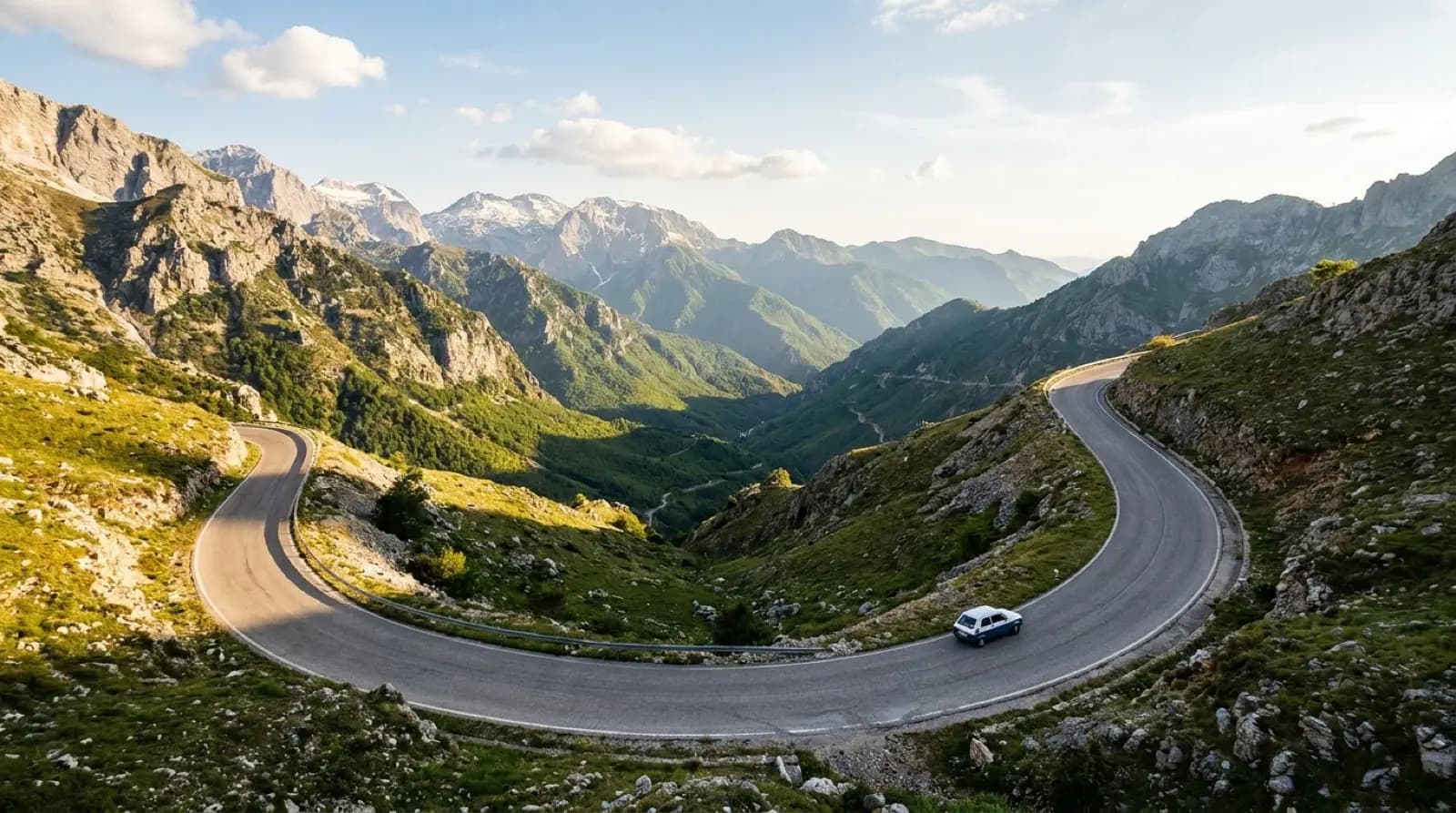
La SH8 da Valona, oltre il passo di Llogara, fino a Saranda è una delle grandi strade del Mediterraneo, e merita rispetto più che timore. È una strada di montagna a due corsie con tornanti, strapiombi protetti da barriere, e un traffico estivo che include autobus e ciclisti. Fai il pieno a Valona o Orikum prima della salita, usa marce basse in discesa invece di tenere premuti i freni, e usa le piazzole segnalate per godersi il panorama invece di fermarti in carreggiata. La nostra guida al viaggio su strada da Tirana a Saranda copre questa strada chilometro per chilometro.
Strade secondarie e di villaggio
Qui la qualità varia da appena asfaltata a piena di buche nel giro di pochi chilometri. Google Maps a volte instrada in modo ottimistico attraverso scorciatoie che diventano sterrato; quando un percorso "più veloce" suggerito lascia la rete numerata delle SH, sii diffidente, specialmente dopo la pioggia. Se i tuoi piani includono villaggi di montagna, valli fluviali come quella della Vjosa, o piste da spiaggia come la discesa verso Gjipe, scegli un SUV dalla nostra flotta per l'altezza da terra extra. Per gli itinerari turistici standard, un'auto normale va benissimo.
Carburante, ricarica elettrica e denaro in viaggio
Le stazioni di servizio sono numerose sulle strade principali; raramente sei a più di 15 minuti da una, tranne in alta montagna. Le stazioni vendono gasolio e benzina, un addetto fa il rifornimento per te, e si paga alla finestrella della pompa o all'interno. I prezzi sono in linea con la regione, circa 170-200 lek al litro, valore approssimativo e legato ai mercati mondiali. La maggior parte delle stazioni accetta carte, ma tieni 5.000 lek in contanti come riserva per le zone rurali. Controlla quale carburante usa la tua auto a noleggio prima del primo rifornimento; è scritto sul contratto e di solito all'interno dello sportello del serbatoio, e il rifornimento errato non è coperto da nessun pacchetto assicurativo, come spiega la nostra guida all'assicurazione.
La ricarica elettrica esiste a Tirana e lungo il corridoio Tirana-Durazzo ed è in crescita, ma la rete non è ancora abbastanza densa da rendere un'auto elettrica la scelta tranquilla per un giro della Riviera. Benzina e gasolio restano le opzioni pratiche per girare il paese.
I pedaggi sono quasi inesistenti: l'unico nel paese è sulla A1 vicino al tunnel di Kalimash, circa 2,5 euro per un'auto. Le strade costiere, la SH2 e tutto ciò che serve per una vacanza al mare sono gratuiti.
Parcheggiare senza stress
A Tirana, la sosta su strada in centro è a zone, a pagamento nei giorni feriali, e controllata con molta energia; cerca gli stalli segnalati e paga al parchimetro o tramite gli addetti alla sosta in pettorina. Un'opzione più sicura è un garage sotterraneo; diversi si trovano intorno al centro e costano circa 100-200 lek l'ora o 300-500 lek al giorno. Nelle città costiere in estate, arriva in spiaggia prima delle 10:00 o dopo le 17:00 per trovare un posto senza stress; i parcheggi privati vicino alle spiagge più frequentate costano circa 200-500 lek al giorno. Ovunque tu parcheggi, segui la regola universale del noleggio: niente di visibile in auto, mai. L'Albania ha una bassa criminalità di strada, ma un sedile posteriore vuoto è un'assicurazione gratuita.
Guidare in ogni stagione
Estate (giugno-agosto)
La stagione delle strade piene e delle spiagge piene. Il traffico sulla SH8 costiera raggiunge il picco tra le 10:00 e le 13:00 in direzione sud e nel tardo pomeriggio in direzione nord; affronta il passo la mattina presto. Anche il caldo conta: parcheggia all'ombra quando possibile e non lasciare mai bambini o animali in un'auto parcheggiata, nemmeno per pochi minuti. Prenota l'auto con largo anticipo tramite la pagina di prenotazione, perché la disponibilità di agosto sparisce con settimane di anticipo.
Autunno e primavera
I mesi migliori per guidare in Albania. Strade calde e tranquille, guesthouse aperte, e un mare in cui si può ancora nuotare fino a ottobre. Tornano gli acquazzoni; la prima pioggia dopo un periodo secco rende l'asfalto sorprendentemente scivoloso, quindi raddoppia la distanza di sicurezza nei giorni di pioggia.
Inverno (dicembre-febbraio)
La costa e le pianure restano miti e per lo più senza neve, e guidare a Tirana, Durazzo e sulla Riviera in inverno è facile. Le montagne sono un altro mondo: il passo di Llogara, le strade per Theth e Valbona e altri percorsi in quota possono avere neve e ghiaccio, e Theth in particolare non andrebbe affrontata con un'auto standard in inverno. Se il tuo itinerario è alpino, comunicacelo al momento della prenotazione così prepariamo un veicolo adatto. La nebbia nelle pianure basse nelle mattine invernali richiede velocità ridotta e luci accese.
I posti di controllo della polizia e cosa fare in caso di imprevisti
I posti di polizia ai margini delle città fanno passare le auto oppure le fermano per il controllo dei documenti. Rallenta, sii cortese, consegna i documenti elencati sopra, e in due minuti sarai di nuovo in viaggio. Tieni i fari in buono stato e le cinture allacciate; sono le prime due cose che gli agenti controllano a colpo d'occhio.
Se hai un incidente, anche minimo, la procedura in Albania è: fermati, accendi le quattro frecce, posiziona il triangolo di emergenza dal bagagliaio, e chiama la polizia al 129 (oppure il numero di emergenza europeo 112) se c'è un ferito o una controversia. Poi chiama MOMO Rent a Car al +355 69 811 0008; parliamo inglese e ti guidiamo in ogni passaggio, incluso il verbale di polizia richiesto dall'assicurazione. In caso di guasto, chiamaci per primi e organizziamo assistenza o un veicolo sostitutivo. Non firmare nessun documento che non capisci a bordo strada.
Una checklist mentale di una pagina
- Lato destro della strada, 40 in città, 80 fuori dai centri abitati, 90 in superstrada, 110 in autostrada.
- Documenti nel cassetto portaoggetti, patente in tasca, zero alcol.
- Aspettati l'imprevisto: sorpassi azzardati, pedoni, bestiame.
- Evita, se possibile, di guidare nelle zone rurali dopo il tramonto.
- Fai rifornimento prima dei tratti di montagna; tieni un po' di lek in contanti.
- Qualsiasi dubbio sulla strada, una sola chiamata: +355 69 811 0008.
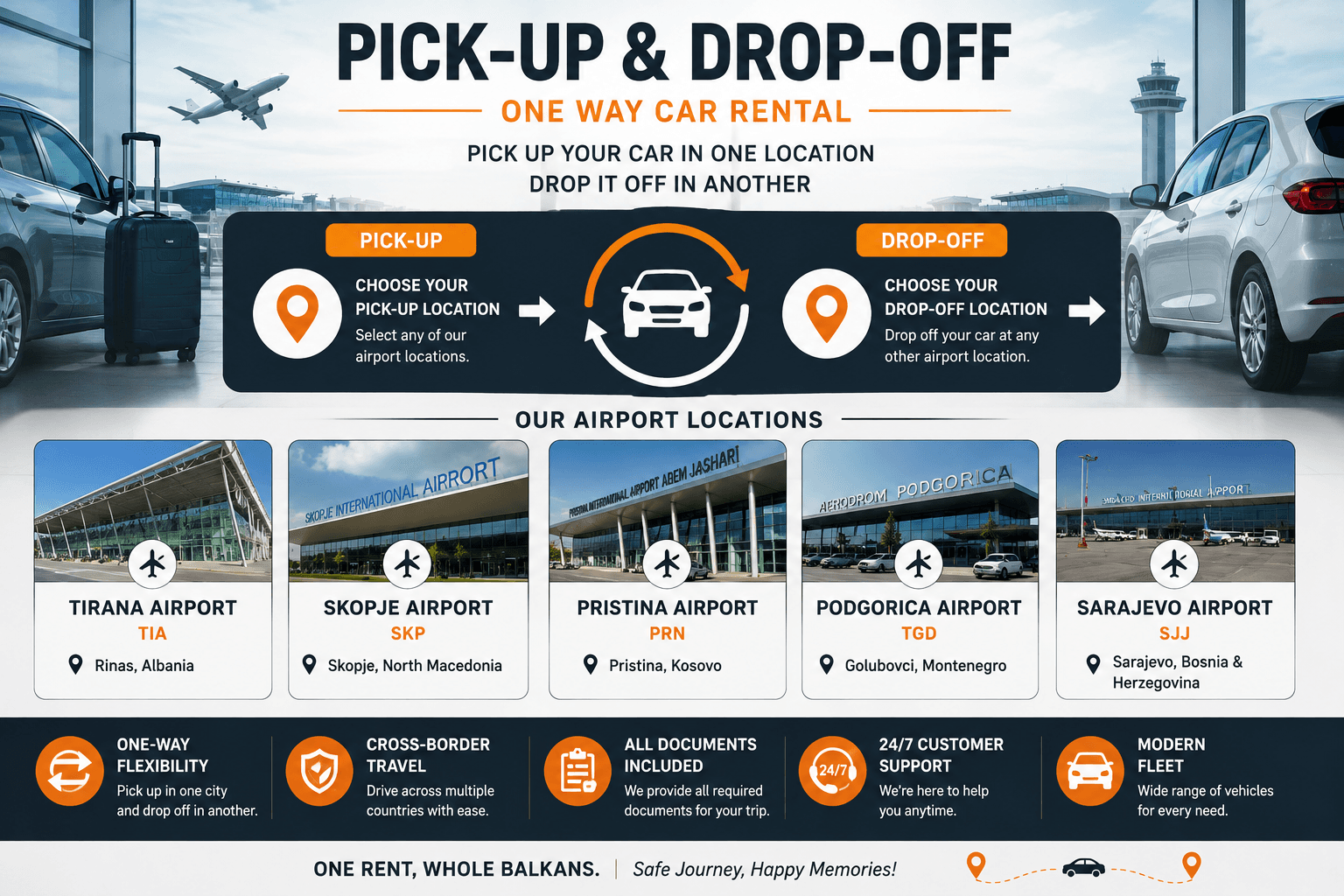
Guida con queste sei righe in testa e l'Albania si apre davanti a te. I momenti migliori del paese, il panorama dai tornanti di Llogara, una baia deserta oltre Himare, un pranzo in un villaggio di montagna, sono tutti posti dove nessun orario di autobus ti porterà mai. Scegli l'auto giusta dalla nostra flotta, ritirala a Tirana o in aeroporto tramite una qualsiasi delle nostre sedi, e al resto pensa la strada. Arrivi in aereo? Inizia dalla nostra guida al noleggio auto all'aeroporto di Tirana.
Domande frequenti
È sicuro per i turisti guidare in Albania?
Sì, con attenzione. Le strade principali sono in buone condizioni e migliaia di visitatori guidano da soli ogni stagione senza problemi. I rischi reali sono le abitudini di guida locali, le strade rurali di notte e il meteo di montagna, tutti gestibili guidando in modo prudente, lasciando margine e pianificando arrivi con luce diurna.
Quali sono i limiti di velocità in Albania?
Di default: 40 km/h nei centri abitati, 80 km/h fuori da essi, 90 km/h in superstrada e 110 km/h in autostrada. I cartelli segnaletici prevalgono sui valori predefiniti e cambiano spesso, quindi leggi la strada invece di affidarti alla memoria.
Serve un 4x4 per guidare in Albania?
Non per l'itinerario standard. Tirana, Durazzo, Berat, Gjirokastra, l'intera strada costiera e Ksamil sono tutte tranquillamente raggiungibili con un'auto normale. Un 4x4 o un SUV si dimostra utile sui percorsi di montagna come Theth, sulle piste di accesso alle spiagge più impervie e in condizioni invernali. Entrambe le opzioni sono disponibili nella flotta MOMO Rent a Car.
Ci sono strade a pedaggio in Albania?
Solo una: l'autostrada A1 verso il Kosovo, con un pedaggio di circa 2,5 euro per le auto vicino al tunnel di Kalimash. Tutte le altre strade, inclusa l'intera strada costiera, sono gratuite, e l'Albania non ha un sistema di vignette.
Posso usare il telefono per navigare durante la guida?
Sì, se montato su un supporto. Usare il telefono in mano durante la guida è illegale e sanzionato. Google Maps funziona bene sui percorsi principali; scarica le mappe offline per le zone di montagna, e diffida delle "scorciatoie" sterrate che a volte suggerisce.
Cosa devo fare se mi ferma la polizia?
Accosta con calma, abbassa il finestrino, e consegna la patente, il libretto di circolazione e i documenti assicurativi dal cassetto portaoggetti, e il contratto di noleggio. I controlli sono di routine e di solito finiscono in un paio di minuti. Se qualcosa del controllo ti confonde, puoi chiamare MOMO Rent a Car e passarci l'agente al telefono.